What a Patron Saint Feast Actually Celebrates: A Local Explainer
The brass band starts somewhere behind the church at nine in the morning, slightly out of tune and completely unmissable, and half the town knows it is coming before it turns the corner. By ten the confraternity members are in their heavy robes in the sun, the stallholders are arguing about the position of a trestle table, and someone's aunt is already setting out chairs under the lime tree. It looks like a party. It is also something older and more precise than a party.
A patron saint feast — the festa patronale, the day a town keeps for its own saint — carries three things stacked on top of each other: a religious act, a civic anniversary, and a family reunion with lunch. Miss one of the three and you have misread the day. Here is what each layer is doing.
The Saint Belongs to This Place, Not to the Calendar
A patron saint is not a general symbol of goodwill. The relationship is local and specific: this saint, this town, a bond that often goes back centuries and usually to one particular event — a plague survived, a harvest saved, a statue that arrived from somewhere and stayed. That specificity is why the day is not interchangeable with the feast in the next valley, even when the ritual looks identical.
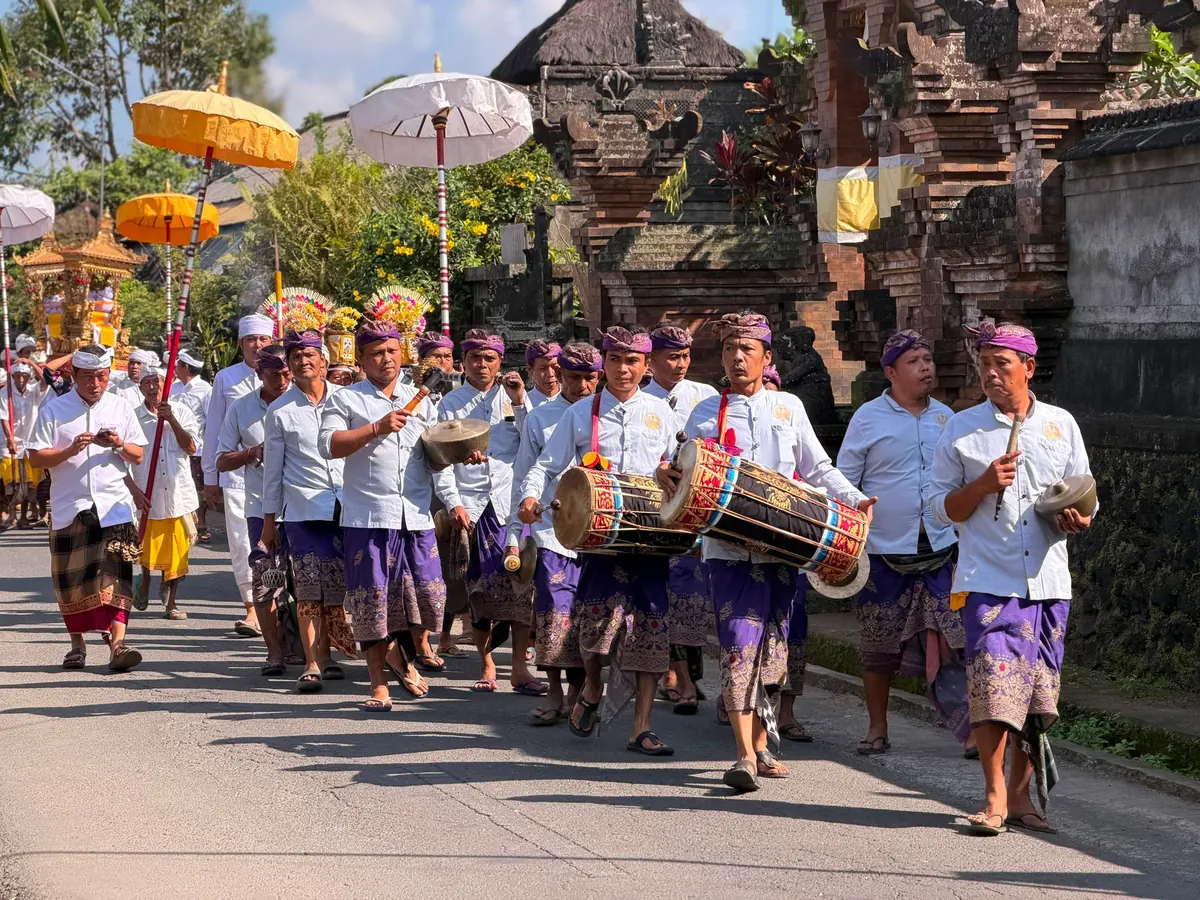
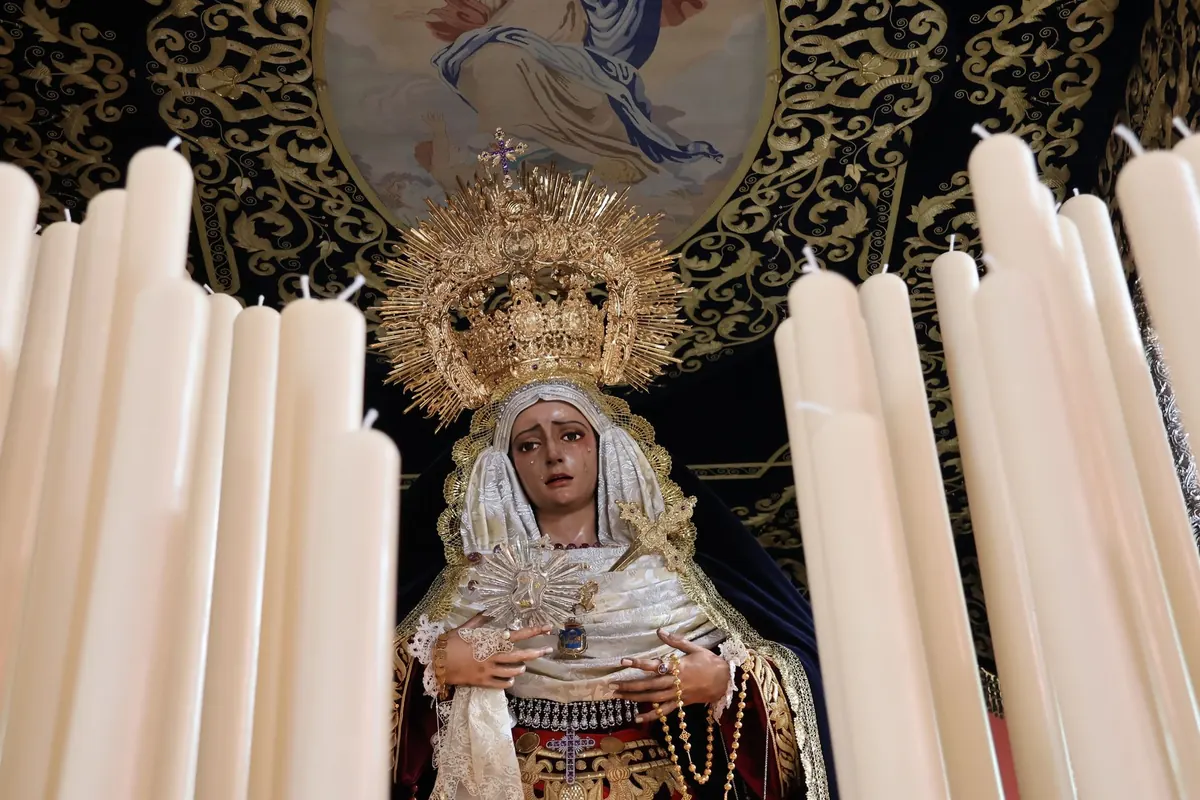
Watch the procession closely and you see the logic. It is not a parade with a route chosen for spectacle; it is a walk around a boundary. The statue or the relic comes out of the church, passes the houses of the people who paid for the flowers, pauses at the cemetery or the war memorial, turns where the parish ends and the next one begins. Where it stops, it is being asked to look after something. In some towns the bearers turn the statue to face a street for a moment, and everyone living on that street knows why.
The order of the procession carries meaning too: confraternities first, in their colours and cords; then children who have just made their first communion; then clergy; then the saint, carried, under a canopy, with the band behind. Local custom varies, and arguments about the order can be decades old.
Devotion, thanks, and the vow
Inside the public ritual sits a private one. A woman walking behind the statue with bare feet, a candle much larger than the others, a family standing in the same spot every year. These are voti — promises made during an illness or a bad year and kept afterwards. Nobody announces them. If you notice, notice quietly.
The Civic Layer: The Town's Own Birthday
Then there is the part that has little to do with theology. The mayor attends in the tricolour sash. The council walks together. The band plays the same three pieces it always plays. The banners of the parishes or quarters come out, some older than the current residents, and the rivalry between two of them is real and not entirely friendly.
This is the town's own birthday, and the feast does work that no charter or website can: it makes a place feel like a place. It also costs money. The committee running it is usually a handful of volunteers who spend months on permits, insurance, stall allocations and the fireworks collection, and who will be criticised either way. When you buy a plate of something at a stall, you are funding next year.
Watch the streets, too. Shops close or close early. Traffic is redirected by someone who is not a traffic officer. Elderly residents rarely seen outside are out on chairs. For one day the town uses itself differently.
The Family Layer: The Table After the Procession
The third layer is the one visitors most often miss, because it happens indoors. The feast is a reason for the scattered family to come back — adult children from the city, cousins from abroad, the people who return only for this. The meal is not incidental to the day; in many households it is the point of it.
The dishes are fixed. Not "traditional food" in some vague sense, but a short list that would cause comment if it changed: a particular pasta, a roast, a vegetable in season that week, a cake from the one bakery that makes it. The timing is fixed too, and it bends around the procession, not the other way round. Lunch may be early so everyone can walk; in other towns it is late, and the day resumes after coffee.
Seating matters. So does the fact that the person who always cooks is getting older and the younger generation has not yet been taught the recipe — a quiet anxiety hanging over more than one feast.
What the Day Actually Looks Like
Timings vary by town, but the shape is remarkably consistent.
- Early morning: the church is dressed with flowers and the last preparations happen in the piazza. The band does a first walk through the streets, mostly to wake people up.
- Mid-morning: the solemn mass. Expect it to be long, and expect the church to be full.
- Late morning: the procession leaves. This is the slow part. It stops, it waits, it turns; it is not designed to be watched efficiently.
- Midday to early afternoon: the return to the church, then the emptying of the streets as everyone goes to eat.
- Late afternoon: the piazza refills. Stalls, games for children, a second wave of visitors from neighbouring towns.
- Evening: music, often louder than necessary, and fireworks at the end — the signal that the day is over.
Why Some Feasts Hold and Others Fade
Some patronal feasts are packed; others are down to a dozen people and a statue. The difference is rarely piety. It is whether the three layers still work together. A feast that keeps only the religious core feels thin. One that keeps only the stalls and the band becomes a fair, pleasant but forgettable. One that keeps only the family lunch is invisible to everyone else.
The ones that hold tend to share a few habits: they give young people real responsibility rather than decorative roles; they resist turning the procession into a performance for outsiders; they keep the food local and the prices sane; and they treat the feast as something belonging to residents, with visitors welcome but not the point.
Practical: Joining Without Getting in the Way
If you happen to be in town for it, you are welcome. A few things make the day better for everyone.
- Watch from the side, not the middle. Leave the road clear, especially in front of the bearers.
- Ask before photographing faces, and don't photograph anyone praying. A procession is not a photo opportunity with a saint in it.
- Don't slip into the church during mass to look at the interior. Wait for the procession to come out.
- Buy something from the stalls. That is how the committee pays for the fireworks.
- Accept a lunch invitation if one comes, and take a bottle or a dessert. Arrive when you were told, and don't leave straight after the coffee.
- Ask a local what the saint is remembered for. You will get a story, and it will not match the official one.
One last thing worth checking: confirm the date with the parish or the town hall before planning around it, since the civil and liturgical calendars do not always agree and many towns move the celebration to the nearest weekend. Arrive early enough to see the morning, stay for the fireworks if you can, and then let the town go home.