Market Day vs. Supermarket: A Practical Comparison for New Residents
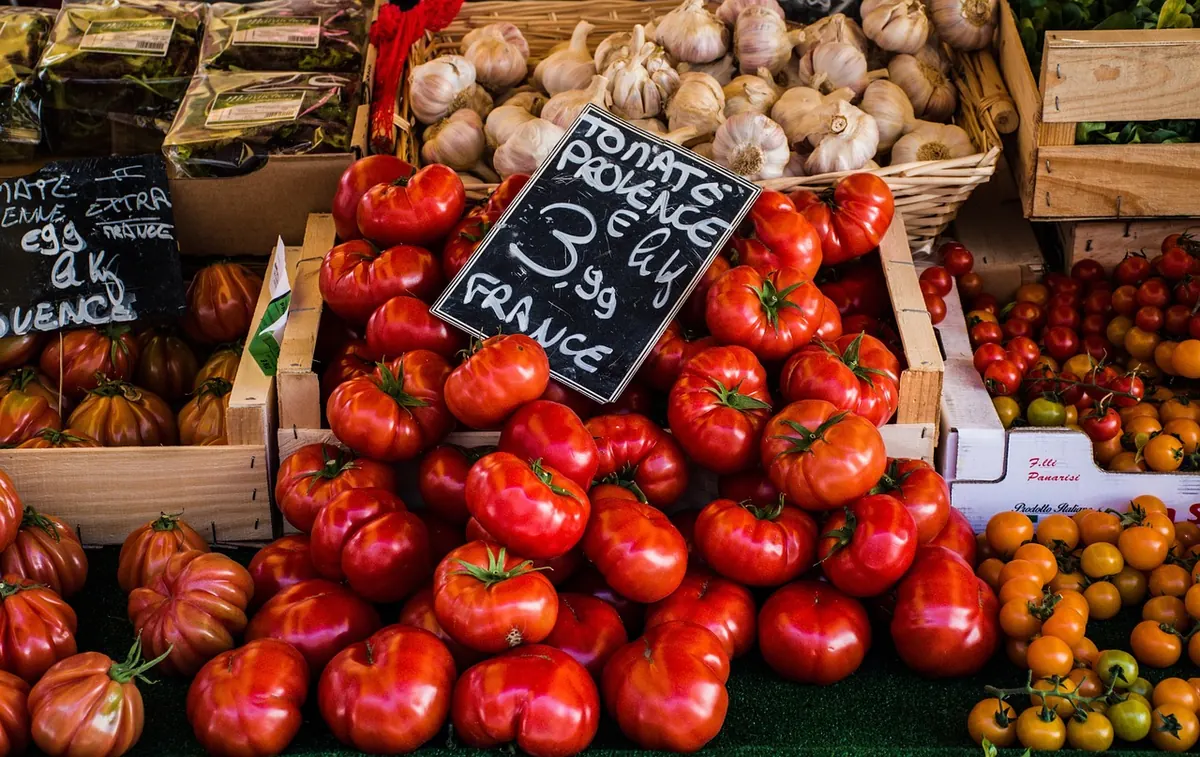
Market day starts early and it is not quiet. Vans nose into the piazza, trestle tables go up, crates are unloaded, and by seven the square has become a shop with no walls. For a newcomer, the supermarket is easier to read: fixed hours, prices on the shelf, everything under one roof, a receipt at the end. The market asks more of you, and gives back more than groceries. It is the quickest way to learn what month you are in and who lives on your street.
This is not a verdict. Both routines have a place in an ordinary week, and the right balance depends on your kitchen, your schedule and how much time you want to spend shopping. What follows compares them on the things that actually matter: cost, seasonality, contact and habit.
Two Rhythms, Not Two Rivals
Treat the supermarket as one long errand and the market as a weekly appointment. The supermarket opens when you need it, stocks the same things in January and July, and asks only that you bring a list. It is also where you go at eight in the evening when the fridge is empty and you have no patience left.
The market runs on another clock. It appears on set days — often one or two mornings a week in a given neighborhood, rotating from zone to zone — and folds up by early afternoon. It carries what the season and the surrounding farms allow. It runs largely on cash, though more stalls take cards than a few years ago. Weather matters. So does arriving before the best of something is gone.
Neither system is more efficient in the abstract. They are efficient at different tasks. The supermarket is good at volume, consistency and odd hours. The market is good at freshness, variety and the small conversation you did not know you needed.
Cost: Compare the Basket, Not the Item
Market produce in full season is often cheaper than supermarket produce of similar quality, especially when you buy by the crate rather than the single piece. Staples are another story. Flour, pasta, oil, coffee, dairy, frozen goods and cleaning products are almost always cheaper or more reliably priced at the supermarket, where own-brand lines and steady supply do the work.
What gets missed in most comparisons is the leakage around the edges:
- The second trip. A market morning without milk, butter or pasta in the cupboard means another walk or drive later in the week.
- Impulse buying. Three extra apricots from a vendor you like cost more than the discount you came for.
- Waste. A crate of tomatoes that spoils is the most expensive purchase of the month.
- Rounded quantities. “Un etto in più” is charming, and it adds up.
Do your own arithmetic rather than trusting someone else's. For one month, note what you spend at the market in cash and keep your supermarket receipts. Compare not the price of a single punnet but a week of ordinary shopping. After four weeks you will know your own numbers. If money is genuinely tight, an hour with a budget adviser or a consumer association is worth more than any article on the subject.
Seasonality Is the Whole Point
The market is a calendar you can eat. Spring brings artichokes, peas and the first strawberries; summer brings tomatoes worth eating raw, peppers, peaches and aubergines; autumn brings grapes, mushrooms, squash and chestnuts; winter brings cabbage, leeks, citrus and roots. Supermarket shelves flatten all of that into a permanent, uniform display, which is a feat of logistics and a poor clock.
You do not need to memorize a season table. Learn six or eight things per season and let the stalls do the rest. Ask “è di stagione?” or “da dove viene?” — the answer is usually honest, because the vendor knows you will be back next week. Buy in quantity when something is at its peak: a crate of tomatoes in late summer for sauce, a box of peaches for jam, a sack of greens to blanch and freeze.
One adjustment matters. Market produce is often riper than what you are used to, which means it will not sit in the fridge for a week. Buy for three or four days, not seven, and plan to cook it soon.
The Social Side Nobody Itemizes
Nobody puts the social part on a receipt, but it is the main reason long-term residents keep going back. A market is a low-stakes place to practice the language, learn numbers, weights and the local names for things, and be recognized. After a few weeks, a vendor will set aside your usual loaf or tell you, quietly, which crate to avoid.
A little etiquette goes a long way:
- Say buongiorno when you reach the counter, and grazie, arrivederci when you leave.
- Do not squeeze or pick through the produce unless invited. Ask first; many vendors prefer to choose for you.
- Ask for a taste with “si può assaggiare?” rather than helping yourself.
- Have small change ready and your own bags open.
- Learn the units: un etto is a hundred grams, mezzo chilo is five hundred.
Read the queue before you chat. Some stalls are all business at nine in the morning, and a vendor with twelve people waiting will not thank you for a conversation about cooking techniques. Come back at the end of the morning for that.
Habits: How to Shop When You Shop Differently
Switching to market mornings changes the shape of your week more than it changes your budget. A few habits make the transition easier:
- Find the local market days. Check the town website, the notice board near the pharmacy, or simply ask a neighbor. Then put the day in your calendar as an appointment.
- Set aside cash at the start of the week. Markets are cash-first, and a fixed envelope is the simplest way to control spending.
- Carry less than you can hold. A trolley or two sturdy bags will save your arms and your impulse purchases.
- Buy produce for three or four days and keep a pantry of staples for the gap.
- Keep a supermarket run every week or two for heavy and packaged goods, and for the evenings when planning fails.
- Note what you throw away. Waste is the truest price signal you will get.
The Hybrid Week Most Residents Settle Into
After a few months, most people stop choosing sides. They keep one market morning for produce, bread and cheese, one supermarket run for staples and heavy items, and a top-up at the bakery or greengrocer in between. Two obstacles are worth planning for. If your working hours collide with the market, go in the first hour or check whether your town has a covered market with longer opening times. In August, many stalls disappear for part of the month, so stock the pantry beforehand.
Start With One Market Morning
Go once, without a list, with cash in your pocket and a bag in your hand. Buy three things you already know how to cook, ask one vendor what is good that day, and note the day of the week before you leave. Next week, go again and adjust: fewer crates, more change, a name or two learned. Keep the supermarket for everything else in the meantime.
Within a month you will have your own numbers, your own regulars and a routine that fits your street rather than an argument. That is a better outcome than picking a winner.
Photo: Lens_and_Light / Pixabay